

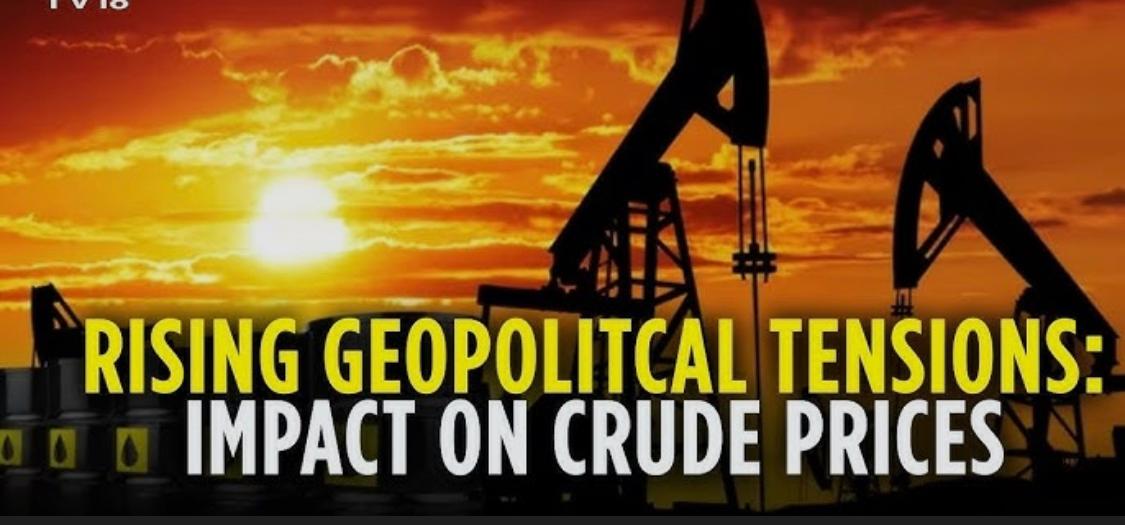
A potential US attack on Iran is widely expected to cause an immediate, high-volatility spike in oil prices, as markets rapidly price in the risk of supply disruptions and an escalation of regional conflict. This reaction aligns with the idea of a complex struggle between geopolitical fear and underlying supply fundamentals.
Oil prices have surged on Thursday, January 29, 2026, with Brent crude briefly crossing $70 per barrel and WTI rising above $65 per barrel, as markets are “rapidly repricing geopolitical risk”. This adds a geopolitical risk premium of around $3 to $4 per barrel.
The primary concern is the potential for a disruption to the Strait of Hormuz, a critical chokepoint through which approximately 20% of the world’s oil passes daily. A full-scale conflict could see prices surge past $150 per barrel.
While current geopolitical fears are driving prices up, the underlying global oil market is projected to be in a significant surplus throughout 2026 due to strong supply from non-OPEC+ producers and modest demand growth. This oversupply could potentially mitigate sustained high prices if tensions ease without actual physical supply losses.
Analysts note that while the baseline scenario points to lower prices due to the surplus, an escalation with Iran represents the single biggest upside risk. The market response is driven more by the fear of disruption than current fundamentals, and prices could remain elevated even if an actual attack is limited.
Note by Alessandro Bazzoni