

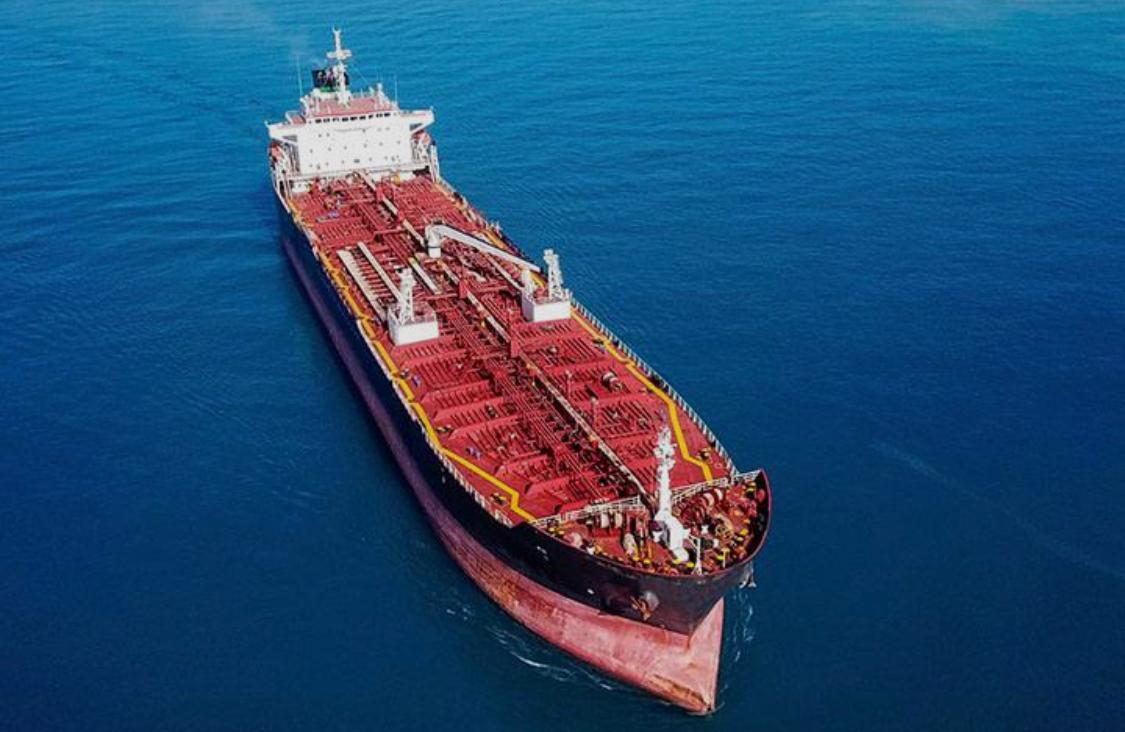
Spot rates for oil and gas tankers are currently at all-time highs in March 2026, primarily driven by severe geopolitical conflict in the Middle East and the effective closure of the Strait of Hormuz.
Record-Breaking Tanker Rates
VLCC (Very Large Crude Carriers): Spot rates for the Middle East to China route have shattered records, reaching a theoretical $481,200 per day.
One 15-year-old VLCC was recently fixed at an unprecedented $436,000 per day.
Suezmax & Aframax: Rates for mid-sized crude tankers have also surged, with Suezmax earnings tripling over a single weekend to over $267,000 per day.
LNG Carriers: Shipowners are now demanding six-figure spot rates, with levels for high-spec tonnage exceeding $100,000 per day due to Atlantic basin supply tightness.
Iran’s claimed closure of the Strait of Hormuz has “effectively immobilised” roughly 8% of global VLCC supply.
Major P&I (Protection and Indemnity) clubs have cancelled war risk coverage for certain areas in the Middle East Gulf, making many voyages impossible or extremely high-risk.
Global sanctions on Russia, Iran, and Venezuela have already been forcing ships to take longer routes, keeping the market tight even before the recent escalation.
A significant portion of the global fleet (up to 23% of VLCCs) is operating in the “shadow fleet,” further reducing the number of compliant vessels available for mainstream trade.
Ship Owners Companies like Nordic American Tankers (NAT) have seen significant stock price lifts due to the record earnings potential.
Oil & Gas Prices: Brent crude has spiked above $85 per barrel, with analysts warning it could top $100 if disruptions persist for several weeks.
Refiners: Buyers are being forced to pivot to alternative sources, such as West African or Russian crude, to avoid the high-risk Middle East corridor.
Note by Alessandro Bazzoni