

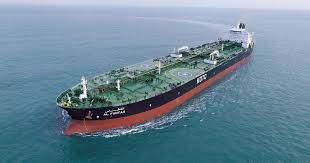
The Kuwait Oil Tanker Co (KOTC) flotilla has anchored off Sohar, Oman, as a direct result of the high-stakes maritime blockade and near-total closure of the Strait of Hormuz.Following military escalations earlier this year involving the US, Israel, and Iran, transit through the vital chokepoint has dropped by over 90%. This bottleneck has forced hundreds of vessels into holding patterns on either side of the waterway.The disruption forced the state-run Kuwait Petroleum Corp (KPC) to declare force majeure on its crude and refined product commitments.For the first time since the 1991 Gulf War, Kuwait’s core crude exports ground to a near-complete halt for over a month. Daily production was slashed from 2.7 million barrels to 1.2 million barrels as domestic storage facilities maxed out.Operations are highly perilous; a KOTC supertanker, the Al-Salmi, was previously struck by a missile/drone off Dubai, underscoring the severe risks facing KOTC’s fleet.The Omani ports of Sohar, Salalah, and Duqm sit completely outside the volatile Persian Gulf and the Bab el-Mandeb threat zones. This makes them the primary safe havens for ships waiting out the crisis.Vessel density off Sohar has roughly doubled. It now serves as the central regional pivot point for ship-to-ship (STS) transfers and cargo staging.Current Status of the StraitWhile KOTC’s 17 vessels continue to idle, there are tentative signs of movement:
A small number of tankers—primarily those with Chinese or regional exemptions—have begun trickling through the Strait using tightly regulated, Iran-approved transit lanes.The US administration announced that a diplomatic resolution to fully reopen the Strait has been “largely negotiated,” offering the first concrete timeline for when these idling fleets might finally move.
Note by Alessandro Bazzoni