

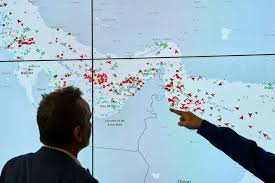
The Union of Greek Shipowners (UGS) has strongly rejected any possibility of paying transit fees to navigate the Strait of Hormuz, stating there are no circumstances under which commercial shipping should pay tolls to pass through the strategic waterway.The Context of the Debate is the UGS announcement, delivered during the Posidonia 2026 maritime forum in Athens, serves as a direct pushback against recent highly publicised comments from fellow prominent Greek shipping Evangelos Marinakis.The Marinakis Proposal: Controlling a fleet of over 150 vessels, Marinakis suggested that paying a structured transit fee of $100,000 to $200,000 directly to Iran would be a pragmatic compromise. He argued it would restore safe passage and cargo flow, proving far cheaper than paying massive war-risk insurance premiums or forcing vessels into a 9- to 14-day detour around Africa’s Cape of Good Hope.The UGS and other high-profile Greek shipowners, including George Procopiou of Dynacom, completely dismissed this line of thinking. Procopiou invoked the tradition of Greek sailors “breaking blockades” and stood firmly against establishing external burdens on global chokepoints.The notion of a transit toll creates immense friction with international maritime frameworks and global governments.Under the United Nations Convention on the Law of the Sea (UNCLOS), ships are legally entitled to unobstructed transit passage through international straits without facing state-imposed levies. Monetising geography is widely viewed as a threat to global trade security.Sanction Risks: The “Persian Gulf Strait Authority” set up by Tehran to manage these proposed fees is a heavily sanctioned entity. The United States administration has issued strict warnings that any maritime operators cooperating with or paying transit fees to Iran will face severe enforcement sanctions.Greek Prime Minister Kyriakos Mitsotakis, alongside the European Union, has flatly declared any attempt by Iran to enforce a toll in the waterway as legally unacceptable.The UGS’s definitive stance reinforces the consensus among major global shipowners—including companies like Chevron and Mitsui OSK Lines—that freedom of navigation must be upheld unconditionally without financial concessions to regional powers.
Note by Alessandro Bazzoni