

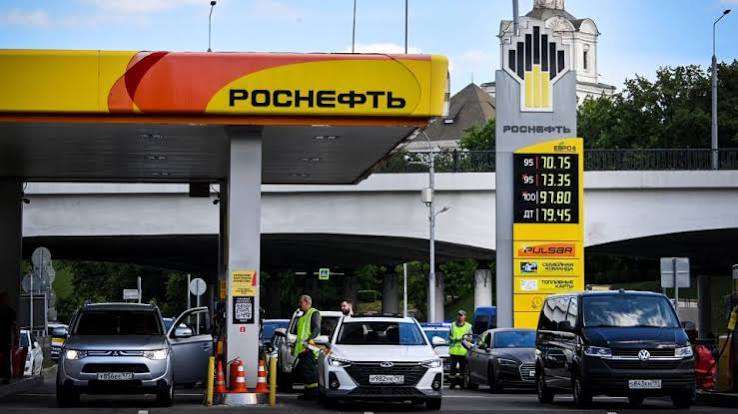
Falling Russian fuel exports are driving product tanker rates upward as international markets scramble to find alternative fuel sources, creating longer shipping routes and higher freight demand. This supply crunch stems directly from a crippling domestic fuel crisis within Russia.Drivers behind the Rate SurgeA convergence of geopolitical and domestic pressures is reshaping global maritime energy trade:
1)Russian Refining Collapse: Sustained Ukrainian drone strikes have heavily disrupted Russia’s domestic refining capacity, knocking out roughly one-third of the nation’s processing infrastructure.To safeguard its shrinking domestic supplies, the Russian government has enacted strict export bans on refined products, such as jet fuel. It is also actively contemplating a broader ban on diesel exports.
Major buyers like Brazil, which previously relied heavily on cheap Russian diesel, are now forced to source alternative product streams from distant hubs like the US Gulf.
Increased Ton-Mile Demand: Sourcing products from alternative, more distant locations drastically expands “ton-mile” demand—the distance tankers must travel to deliver the same volume of fuel—tying up global vessel capacity.
Key Tanker Market MetricsData highlights a stark divergence between crude carriers and clean product tankers:
MR Tanker Rates are According to shipping analyst Clarksons, daily earnings for eco-designed Medium Range (MR) product tankers jumped 45% in a single week, reaching $38,600 per day.The Crude vs. Product Split , While product tankers are booming due to longer global trade routes, crude carrier dynamics are seeing localized spikes. Because Russia cannot process its own oil, it is dumping raw, unrefined crude onto the seaborne market. This has pushed Russian crude exports to wartime highs even as its market value crashes.If the Russian Kremlin decides to tighten or extend its fuel export restrictions, the clean product tanker market is expected to face even tighter vessel availability and sustained upward rate pressure.
Note by Alessandro Bazzoni