

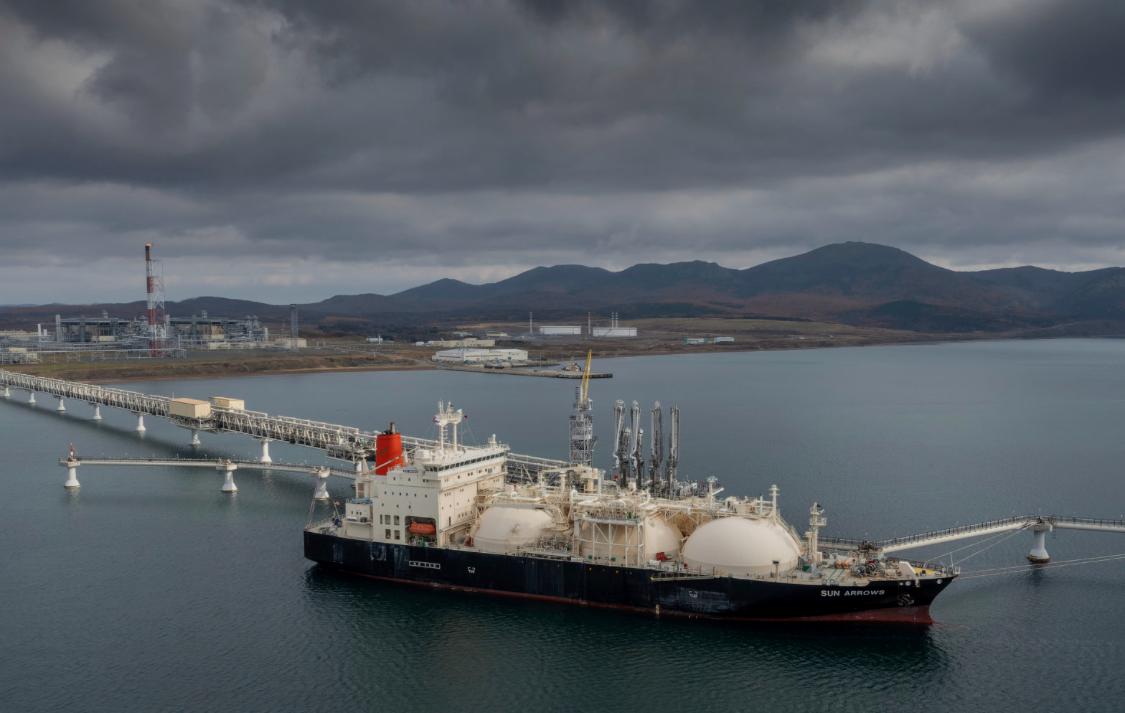
Greece has blocked the European Union’s 21st sanctions package against Russia to protect Dynagas, a domestic shipping company owned by billionaire shipowner George Prokopiou.The Core ConflictThe proposed EU measures aim to prohibit European operators from transporting Russian liquefied natural gas (LNG) to third countries globally. Athens’ ambassador to the EU vetoed the package, warning fellow envoys that the global transport ban would completely “ruin” Dynagas and turn its highly specialized fleet into stranded assets.
Dynagas operates 27 gas tankers. This fleet includes roughly one-third of the world’s Arc7 icebreaking LNG carriers, which are uniquely engineered to navigate the frozen waters near Russia’s Yamal LNG plant in the Arctic.
Data from analytics firm Kpler shows that Dynagas vessels have moved more than 10 million tonnes of Russian LNG across 144 voyages since the start of 2025.
Greek government officials argue that a transport ban will not stop Russian gas from moving. Instead, they claim it will force the sale of European-controlled ships to non-Western buyers, effectively ceding Europe’s maritime market dominance to competitors in China, Japan, and the United States.Broader Impact on EU PolicyBecause EU sanctions packages require unanimous approval from all member states, the single Greek objection has stalled the entire 21st package. This block has left several other critical, non-energy measures in limbo, including new restrictions targeting Russian banks, cryptocurrency networks, and defense-industrial companies.To buy time for continued negotiations, EU envoys have pushed talks back to July 23, 2026, while temporarily maintaining the G7 price cap on Russian oil at $44.10 per barrel. EU High Representative for Foreign Affairs and Security Policy Kaja Kallas acknowledged the gridlock, stating that while the bloc is close to an agreement, diplomats will begin working on a “Plan B” if the deadlock cannot be broken.
By Alessandro Bazzoni