

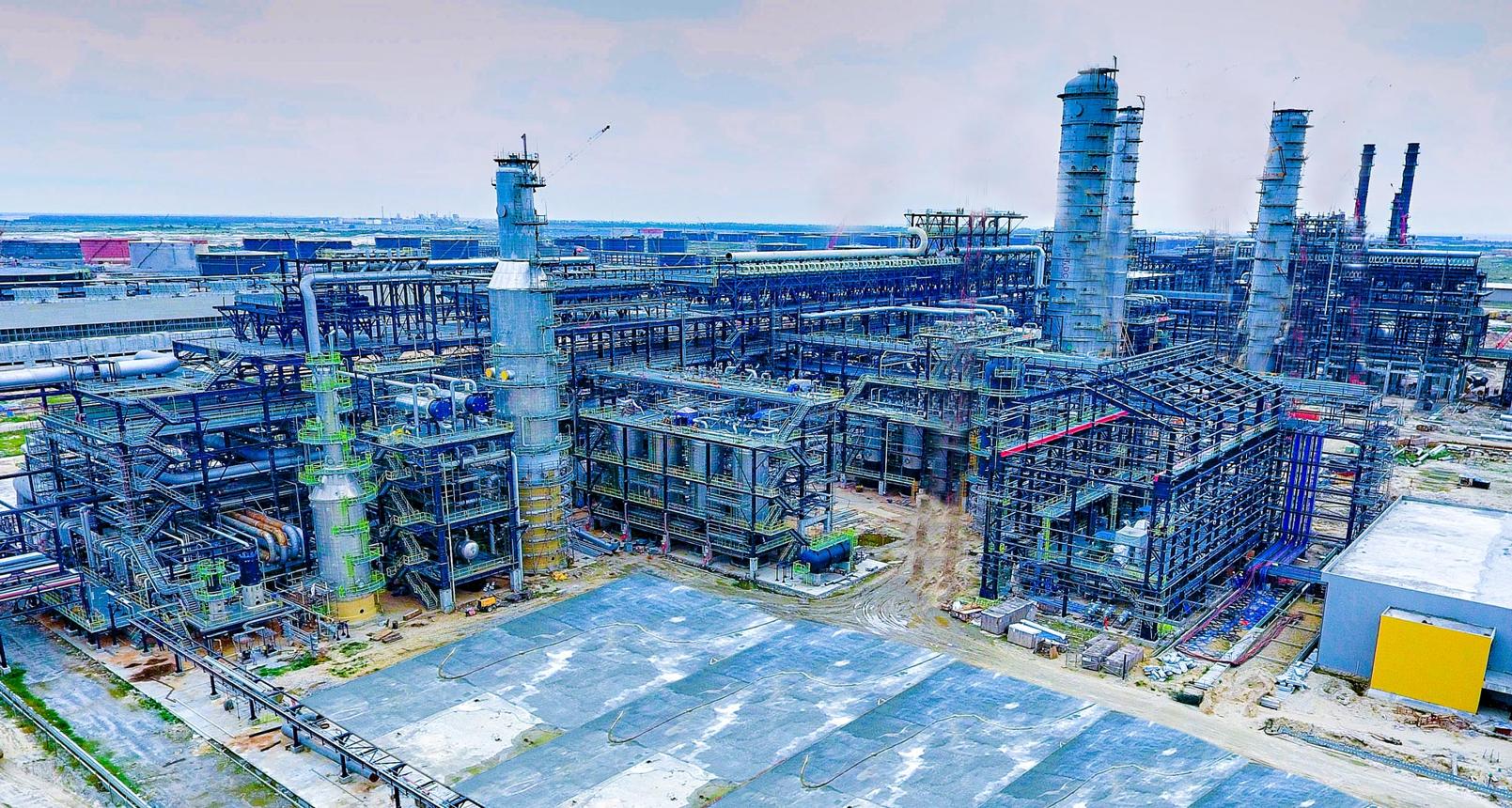
Nigeria, Africa’s largest oil producer, intends to outpace major global markets like the US, Iran, China, and Iraq with the world’s most ambitious grassroots refinery pipeline. According to data from downstream sector roadmaps, the country is implementing strategies to expand its domestic refining capacity to 2.64 million barrels per day (bpd) by the end of 2030 through the construction of 24 new refineries.Key Drivers of Nigeria’s Refining AmbitionEnding Import Dependence: For decades, Nigeria exported raw crude oil only to buy back expensive, imported refined petroleum products. This massive expansion aims to process crude locally and secure domestic energy independence.The Dangote Catalyst: The foundation of this shift is the landmark Dangote Petroleum Refinery, a 650,000 bpd facility that operates as the world’s largest single-train refinery.Global Market Disruption: “The Dangote Refinery, now Africa’s largest, has enabled Nigeria to become a net exporter of gasoline and a major supplier of jet fuel to Europe.” according to data tracked by Business Insider Africa.Modular Strategy: While mega-refineries grab headlines, industry analysts note that flexible, modular refineries will make up the vast majority of the 24 planned pipeline projects.Shift to Continental PowerhouseNigeria is leveraging this infrastructure boom to rewrite the economics of African energy. The country has initiated plans to establish a West African fuel price benchmark to reduce reliance on foreign pricing indices. Concurrently, neighboring oil-producing nations like the Republic of Congo are actively negotiating supply and logistics partnerships to source their fuel from Nigeria’s expanding network rather than Western Europe or the Middle East.
Note By Alessandro Bazzoni