

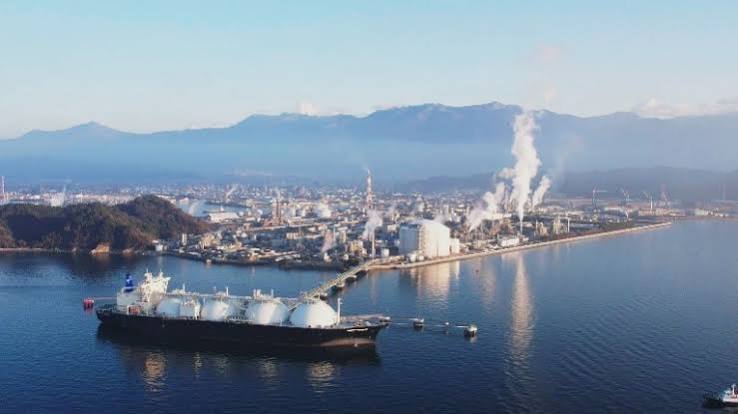
Japan is preparing a major energy diversification strategy as the ongoing Middle East crisis exposes the risks of the country’s heavy dependence on oil and gas supplies from the region.
The plan, expected to be announced today, will seek to reduce Japan’s reliance on Middle Eastern energy while strengthening alternative supply routes. One of the key proposals is expected to include support for pipelines in the Middle East that could redirect oil exports away from the Strait of Hormuz, helping to reduce the vulnerability of Japanese energy supplies to disruptions at the strategic chokepoint.
Japan previously sourced almost all of its crude oil imports from the Middle East, leaving the resource-poor country highly exposed when the conflict with Iran disrupted regional energy flows. Since then, Tokyo has moved quickly to secure supplies from alternative producers, including the United States, Canada, Azerbaijan and African oil-producing nations.
However, diversification has come at a significant cost. Japan’s energy import bill reached a record $76.39 billion last month, driven by higher international oil prices and the additional expense of sourcing crude from more distant markets.
The government is also considering measures that would require Japanese energy companies to share the higher costs associated with importing crude from outside the Middle East.
Japan’s challenges extend beyond crude oil. The country is one of the world’s largest LNG importers and has increasingly turned to coal-fired power generation as elevated LNG prices and supply concerns make natural gas more expensive and difficult to secure. Other Asian economies have faced similar pressures, increasing coal consumption as they compete for limited LNG supplies.
Strategic reserves are another concern. Japan has released crude from its emergency stockpiles to cushion the impact of the Middle East conflict, but this has reduced reserve levels and created the need for replenishment at a time when global energy markets remain highly uncertain.
The new strategy therefore represents a broader shift in Japan’s energy policy: reducing dependence on a single region, diversifying suppliers and routes, strengthening strategic reserves, and lowering overall exposure to oil and gas.
With the Strait of Hormuz remaining a critical risk to global energy flows, Japan’s efforts could become an important part of its long-term strategy to improve energy security and protect the economy from future supply shocks.
Note by Alessandro Bazzoni