

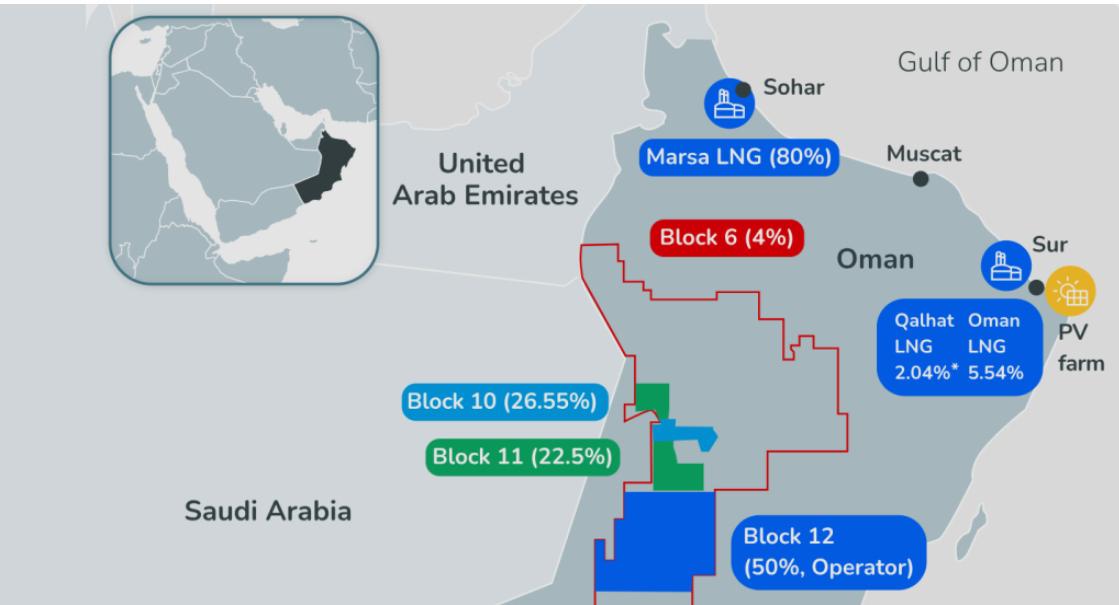
The Marsa LNG project is considered groundbreaking because it will be one of the world’s lowest carbon intensity LNG plants, utilizing an all-electric liquefaction process powered entirely by a dedicated 300 MWp (megawatt-peak) photovoltaic solar farm. This design is expected to achieve a 90% reduction in greenhouse gas (GHG) emissions compared to the industry average for LNG plants.
Key details of the innovative approach:
Full Electrification: The plant will use electric-driven motors for the liquefaction process instead of conventional gas turbines, thus avoiding the combustion of natural gas for power generation on-site.
A dedicated 300 MWp solar power plant will be built to supply the equivalent of the LNG facility’s annual energy needs, ensuring its operations are powered by clean energy.
This approach results in a projected carbon intensity of less than 3 kg CO2e/boe (barrel of oil equivalent) for Scope 1 and 2 emissions, significantly below the global average of around 35 kg CO2e/boe.
The project establishes the Middle East’s first LNG bunkering hub, ideally located at the entrance to the Gulf to provide lower-emission marine fuel to a wide range of vessels (e.g., container ships, tankers, cruise ships).
The plant is designed to be a zero-flaring facility during normal operation, with a boil-off gas recovery system that compresses and re-uses all vapors.
This integrated, low-carbon design, which leverages both LNG and renewable energy pillars of TotalEnergies’ strategy, sets a new standard for sustainable LNG production globally.
Note by Alessandro Bazzoni