

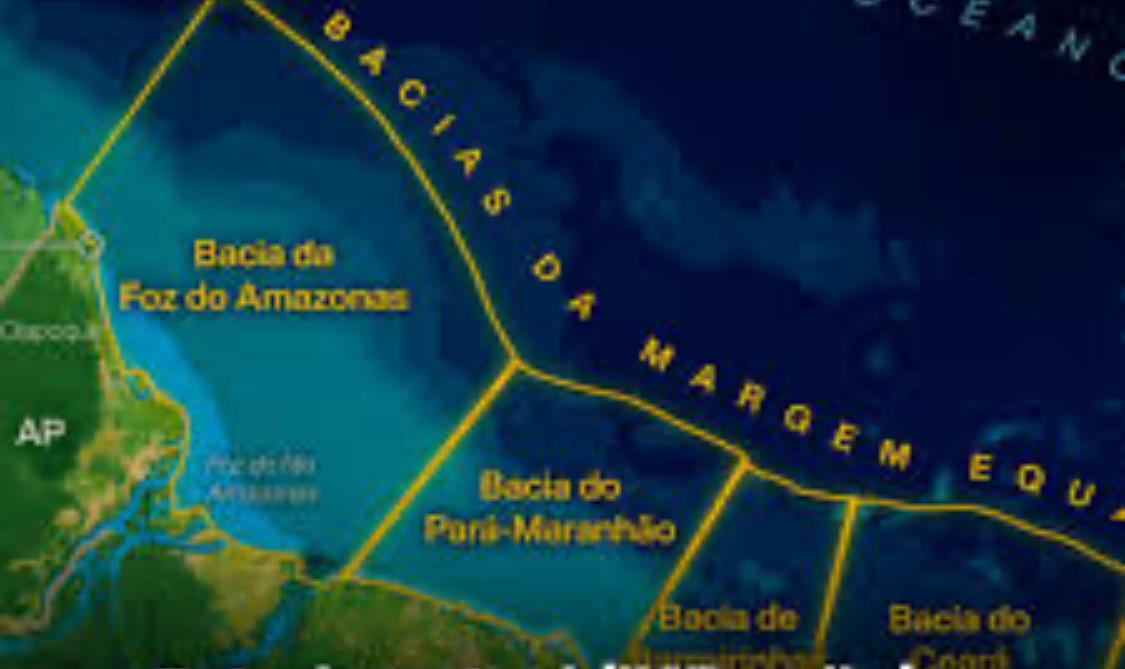
Petrobras’ plan to drill 15 wells along Brazil’s Equatorial Margin faces significant challenges, primarily related to environmental opposition and complex licensing processes, along with potential impacts from fluctuating oil prices.
The region is an ecologically sensitive area near the mouth of the Amazon River, which includes marine biodiversity hotspots and potential coral reef systems. Environmental groups, indigenous communities, and some government officials have raised serious concerns that an oil spill could cause a major ecological disaster with impacts across the South Atlantic Ocean.
The Brazilian Institute of Environment and Renewable Natural Resources (IBAMA) has historically been a significant hurdle. The agency initially denied Petrobras a license to drill in the Foz do Amazonas basin in May 2023, citing “inconsistencies” in the company’s environmental impact studies and emergency response plans.
Although Petrobras eventually received a permit to drill its first well (Morpho well in block FZA-M-059) after improving its safety protocols and conducting a full-scale emergency simulation, the licensing for subsequent wells remains under close scrutiny. Prosecutors have requested more studies, arguing that the oil dispersion models are insufficient given potential extreme weather events.
International Environmental organizations highlight that burning the potential oil extracted from this region could release massive amounts of CO₂, impacting Brazil’s global climate commitments and the worldwide carbon budget.
Economic and Political Considerations Cost-Cutting Measures: In its 2026-2030 Business Plan, Petrobras reduced its investment allocation for the Equatorial Margin by $500 million to $2.5 billion, and the CEO has indicated that some of the 15 planned wells could be “deprioritized” if Brent crude oil prices remain low.
Economic Ambition vs. Climate Goals: The project is a strategic priority for the Brazilian government and Petrobras, viewed as crucial for the nation’s energy future, job creation, and economic growth, especially as production from existing fields is expected to peak around 2030. This ambition sometimes conflicts with the Environment Ministry’s climate goals and Brazil’s role as host of the COP30 climate conference.
The drive to explore is intensified by major discoveries in the neighboring Guyana/Suriname basin, which shares similar geology and suggests the potential for vast reserves that could be a “game-changer” for Brazil.
In summary, the key challenges involve balancing the significant economic potential of the region with stringent environmental protection requirements and navigating the associated regulatory and political resistance.
Note by Alessandro Bazzoni