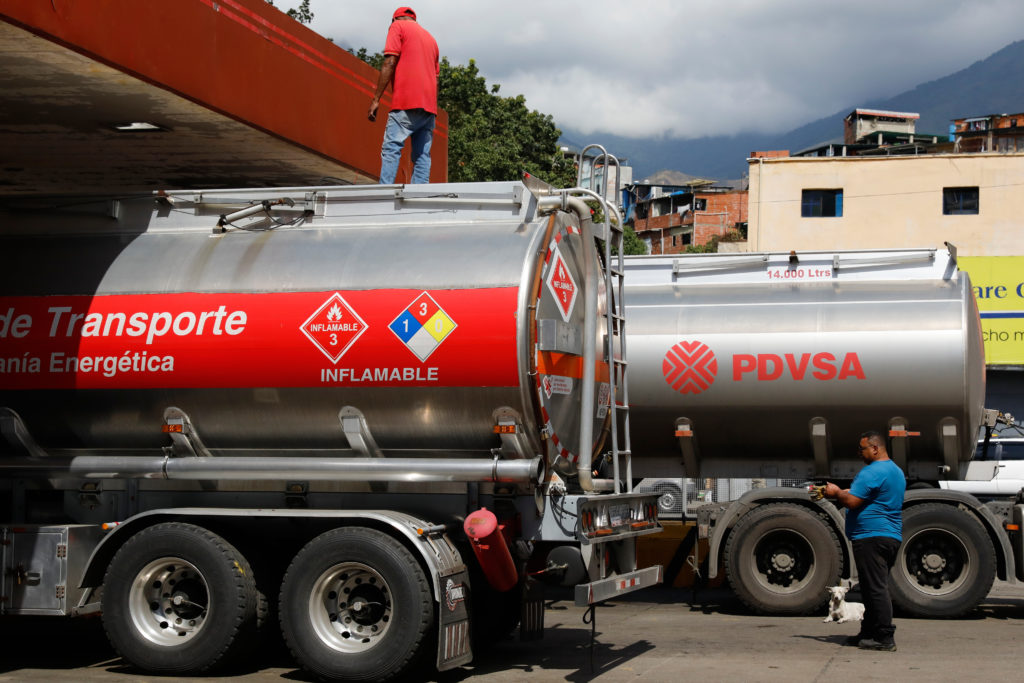
Venezuela’s oil sector centered on the interim government’s push for legal reforms to attract foreign investment and the U.S. government’s actions to control and sell Venezuelan oil assets after the ousting of President Nicolás Maduro.
Venezuela’s interim President Delcy Rodríguez called for reforms to the Hydrocarbons Law to allow foreign oil companies greater control over exports and operations, a shift from previous state-controlled policies.
The U.S. government has seized a total of six Venezuela-linked oil tankers and completed its first sales of seized Venezuelan oil, totaling $500 million. The U.S. reportedly is getting a 30% higher price per barrel than Venezuela did International oil executives are lobbying the U.S. and Venezuelan governments to expedite these legal changes to protect their investments, with the U.S. actively working to expand Chevron’s license to let it market all the oil it produces there.
$300 million in oil revenues, held in a Qatari account by the U.S. administration, is being released to Venezuelan banks to stabilize the local currency and help local companies buy raw materials.
State-owned oil giant PDVSA’s systems are still recovering from a December 2025 cyberattack, forcing the industry to run on manual processes like WhatsApp and handwritten reports, which has slowed payments and data reporting.
Fitch Ratings indicated that short-term supply increases from Venezuela are likely to be small, and the global market remains oversupplied, which helps cap geopolitical oil price premiums despite the uncertainty surrounding Venezuela’s output.