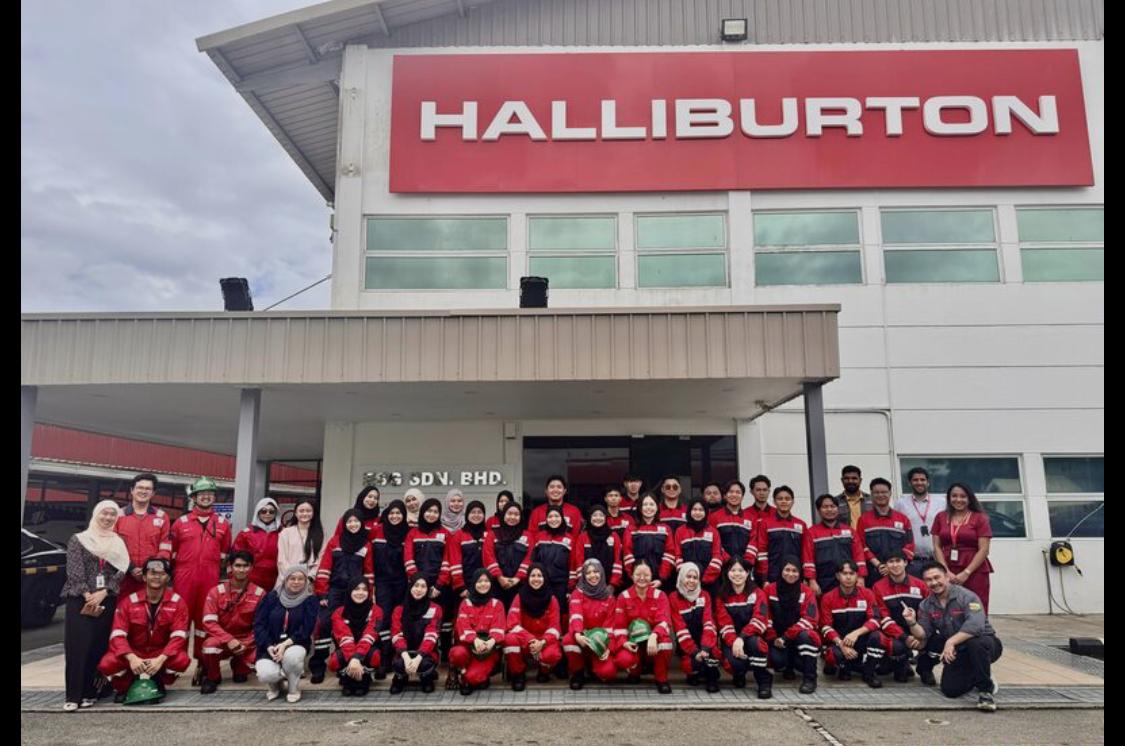
Halliburton reaffirmed its commitment to returning to Venezuela’s oil and gas sector following significant geopolitical shifts, including the reported capture of Nicolás Maduro by U.S. forces. CEO Jeff Miller stated that Halliburton could resume meaningful operations in Venezuela within months. The company’s initial strategy focuses on intervention and workover services—rehabilitating existing wells to boost production—before moving to new drilling. Halliburton intends to leverage its global network, which includes 600 Venezuelan employees currently working for the company worldwide. Unlike major oil producers (E&Ps) that require long-term capital deployment, Halliburton’s service-focused model allows for the rapid movement of personnel and equipment into and out of the country. Investors view oilfield service companies like Halliburton and SLB as primary beneficiaries of a Venezuelan reopening, as they provide the essential equipment and expertise needed to “turn the handle” on production. While the U.S. began a selective rollback of sanctions in early January 2026, Halliburton still requires specific OFAC licenses to bring in heavy drilling equipment. CEO Miller has proposed using proceeds from the sale of 50 million barrels of Venezuelan oil (seized and marketed by the U.S.) to create a non-government-backed assurance fund to ensure service providers are paid. On January 9, 2026, President Trump issued Executive Order 14373, which shields Venezuelan oil revenues held in the U.S. Treasury from creditors, potentially securing funds for industry revitalization. Despite these plans, the company faces challenges including nearly a decade of infrastructure degradation and an active December 2025 ICSID legal claim against the Venezuelan state for past losses.