

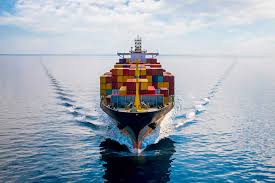
The ongoing Middle East crisis will not cause the global shipping industry to completely run out of bunkers. However, ship owners and charterers will have to adjust to prolonged periods of significantly higher fuel costs and supply chain disruptions.Disruptions in key locations like the Strait of Hormuz have drastically impacted supply. For example, in the world’s largest refueling hub, Singapore, bunker fuel prices have surged from around (\$500) per metric ton to over (\$800) per metric ton.The broader Middle East conflict added roughly (\$5.5) billion to ocean carriers’ bunker bills.The shock is accelerating interest in vessels with dual-fuel capabilities, such as those that can run on liquefied natural gas (LNG), though supporting infrastructure remains a challenge.To manage inflated fuel bills, fleet operators are increasingly opting for “slow steaming,” reducing global vessel speeds by around 2% to conserve fuel.Industry groups like the International Bunker Industry Association (IBIA) have noted that while initial panic buying has subsided, supply worries and price volatility persist.
Note By Alessandro Bazzoni