

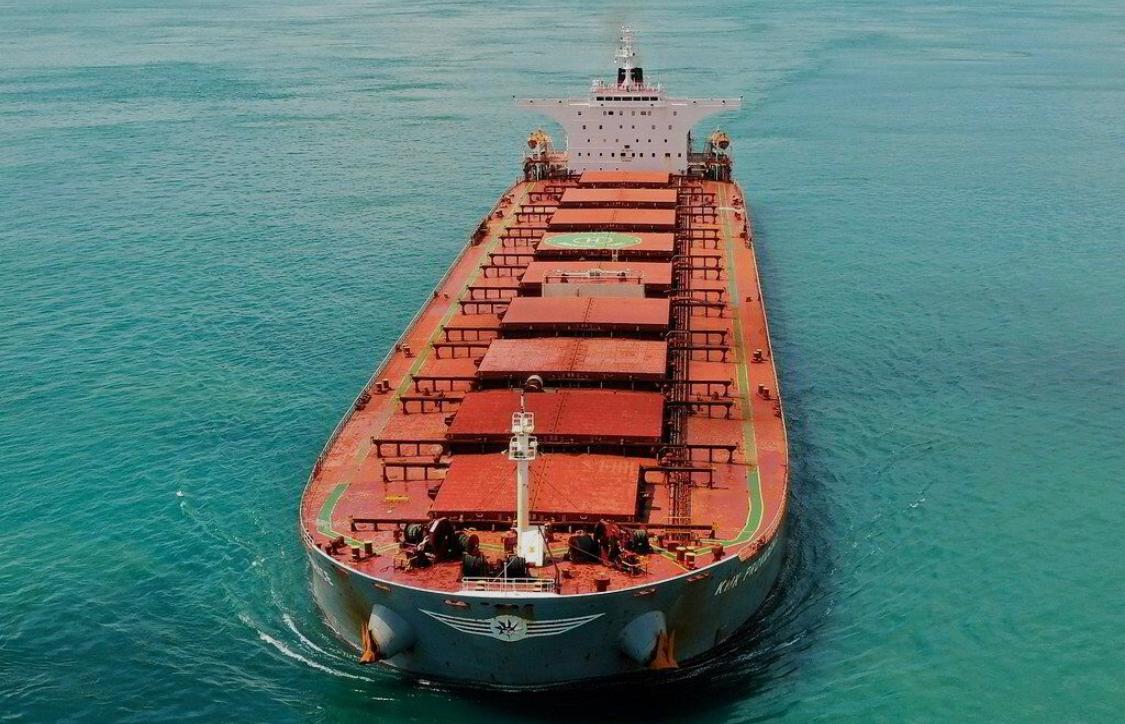
spot rates for Capesize bulk carriers are nearing their highest levels of the year, largely decoupled from the military conflict in the Middle East. While other shipping sectors have faced extreme volatility, the dry bulk market—specifically for large miners—has remained remarkably stable.
Capesize Rates have sustained a rally despite regional turmoil, supported by steady demand from charterers and a recent drop in bunker (fuel) prices.
In early April 2026, Pacific Capesize time-charter rates were holding firm above USD 27,000/day.
The Capesize Index rose to 2,974 points by late March, with average daily earnings for these vessels reaching approximately $23,471.
The market had its best January in two years in 2026, with rates topping $28,000 per day and defying the usual seasonal downturn.
Large iron ore miners have seen minimal disruption from the war in the Gulf.
Analysts expect major mining firms to report improved production volumes for the first quarter of 2026.
Market strength is driven by robust iron ore and coal demand, particularly in the Pacific basin, as well as rising bauxite flows from Guinea to China.
A tentative ceasefire in early April triggered a correction in oil prices, which helped lower bunker costs and further supported time charter returns for owners.
Broader Shipping Contrast
Unlike the Capesize segment, other maritime sectors have faced significant “brutal”
Container shipping Massive rerouting around the Cape of Good Hope has extended transit times by 10 to 20 days and spiked ocean freight rates significantly.
Tanker traffic through the Strait of Hormuz plunged by 90-95% at the height of the conflict, though small upticks were noted following the ceasefire
note by Alessandro Bazzoni