

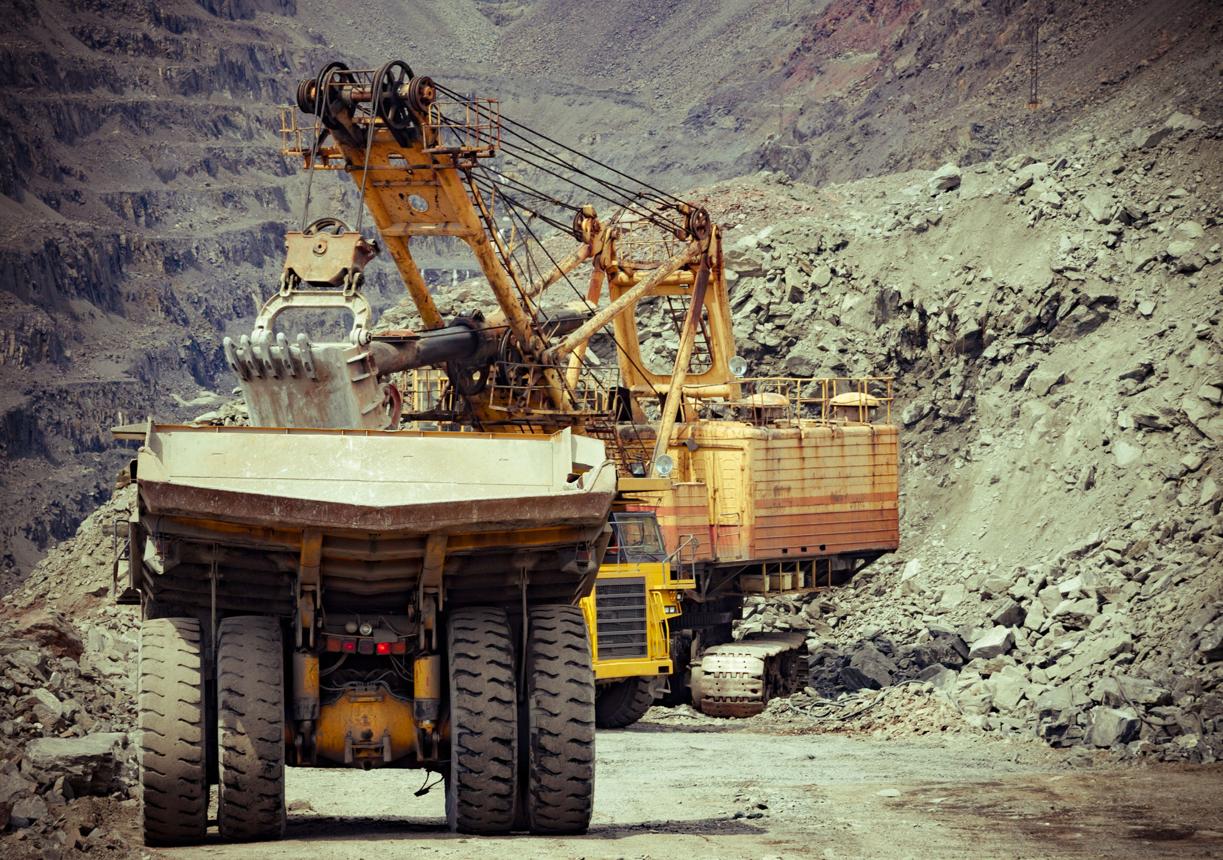
The Central African Republic (CAR) is currently developing a massive iron ore initiative aimed at unlocking over 20 billion tonnes of high-grade resources (64.5%+ Fe), with significant developments emerging in 2026. UK-based A&S Resources Limited, in collaboration with Chinese partners including China Railway Sixth Group Co. Ltd., is pioneering this development as part of the European Commission’s “Global Gateway” initiative.The Bakala/Topa and Bogoin properties are considered among the top 5 largest iron ore deposits globally, with preliminary estimates suggesting 20 billion tonnes of high-grade resource.Infrastructure (Rail & Port),A 1,400km strategic railway is planned to connect the inland mining sites to the Atlantic coast.The project involves linking to a river port at Mangombe/Mongoumba and the larger Kribi deep-water port in Cameroon.Contracts for the railway construction were formally signed with Chinese partners in February 2026, marking a significant step toward developing this new iron ore corridor.The CAR is landlocked, making it dependent on new, expensive railway infrastructure to move ore to coastal ports.While the government is consolidating security, the region still faces risks related to previous instability.These efforts follow similar, more advanced projects in neighboring regions, such as the Mbalam-Nabeba project in Cameroon/Congo and the massive Simandou project in Guinea.
Contextual Developments in Central Africa (2026)Guinea (Simandou),The world’s largest high-grade iron ore project began exports in late 2025/early 2026, utilizing a 600+ km railway to the coast, serving as a model for regional infrastructure development.
Cameroon/Congo,A 500 km rail link is being built to connect the Mbalam-Nabeba project to a port, with significant involvement from Chinese investors.
Note by Alessandro Bazzoni