

Nigeria imported approximately 61.7 million barrels of crude oil from the United States between January 2024 and January 2026. Valued at roughly $4.9 billion, these imports represent a historic reversal for Africa’s largest oil producer, which has traditionally relied on its own exports.
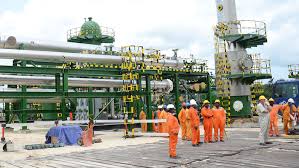
The Dangote Petroleum Refinery is the primary driver, preferring U.S. light sweet crude (like WTI Midland) for its complex refining processes.
Domestic producers delivered only 67.6 million barrels to local refiners between January and August 2025, falling 45% short of the 123.4 million barrels requested.
Economic Strategy: U.S. crude has often been more cost-effective or available than local grades, despite government efforts to prioritize domestic supply through the Naira-for-crude arrangement.
Between January and October 2025, U.S. crude imports surged by 167% year-on-year.
Despite these imports, Nigeria remains a major exporter, generating $31.54 billion from crude exports in 2025.
In January 2026, U.S. crude exports to Nigeria began to contract, dropping 47.16% month-on-month to 1.664 million barrels.
The Dangote Refinery reached its full design capacity of 650,000 barrels per day in early 2026, aiming to end Nigeria’s long-term dependence on imported refined fuel.
Modular Refineries: Smaller modular refineries continue to struggle with inconsistent feedstock, with some shutting down intermittently due to the same supply gaps. While Nigeria holds 37.01 billion barrels in reserves, structural imbalances in the domestic supply chain have forced it to become a significant buyer in the global market.
Note by Alessandro Bazzoni