

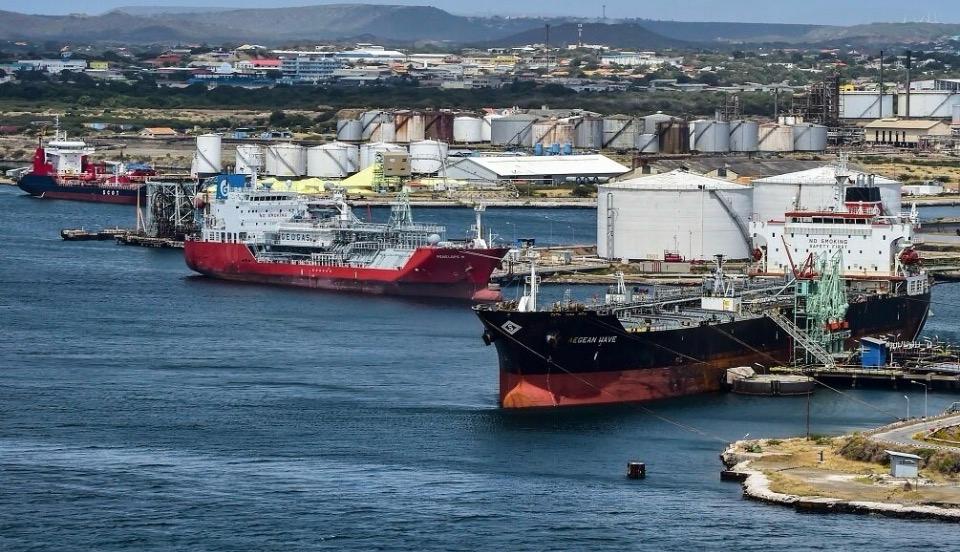
The trading companies are experiencing difficulty selling Venezuelan oil as Vitol and Trafigura. Following a U.S.-led military intervention in January 2026, these firms were granted exclusive licenses to market roughly 50 million barrels of Venezuelan crude.
U.S. Gulf Coast refiners are struggling to “absorb” the rapid influx of Venezuelan oil, leaving some volumes unsold. Facilities must often be technically adjusted to process Venezuela’s “extra-heavy” crude.
Buyer major international buyers, such as PetroChina, have reportedly stepped back from purchasing Venezuelan crude marketed under U.S. control.
Vitol has faced significant backlash for shipping Venezuelan oil to Israel (specifically the Bazan Group refinery) for the first time in years, leading to calls for boycotts from activist groups.
Decades of mismanagement at PDVSA have led to deteriorating crude quality, with high levels of water and sediment riling major refiners.
(As of February 2026)
Pricing: Under the new U.S.-managed arrangement, the oil is sold at a $15 discount to the Brent benchmark, a significant improvement from the $30 discount previously required to move “sanctioned” oil through shadow fleets.
Revenue from these sales does not go directly to the Venezuelan government; it is deposited into U.S.-controlled accounts (often in Qatar) to be used for humanitarian aid and economic stabilization.
While Vitol and Trafigura are the primary authorized traders, other firms like Mercuria are reportedly vying for similar licenses as the U.S. continues to overhaul the Venezuelan energy sector.
Note by Alessan