

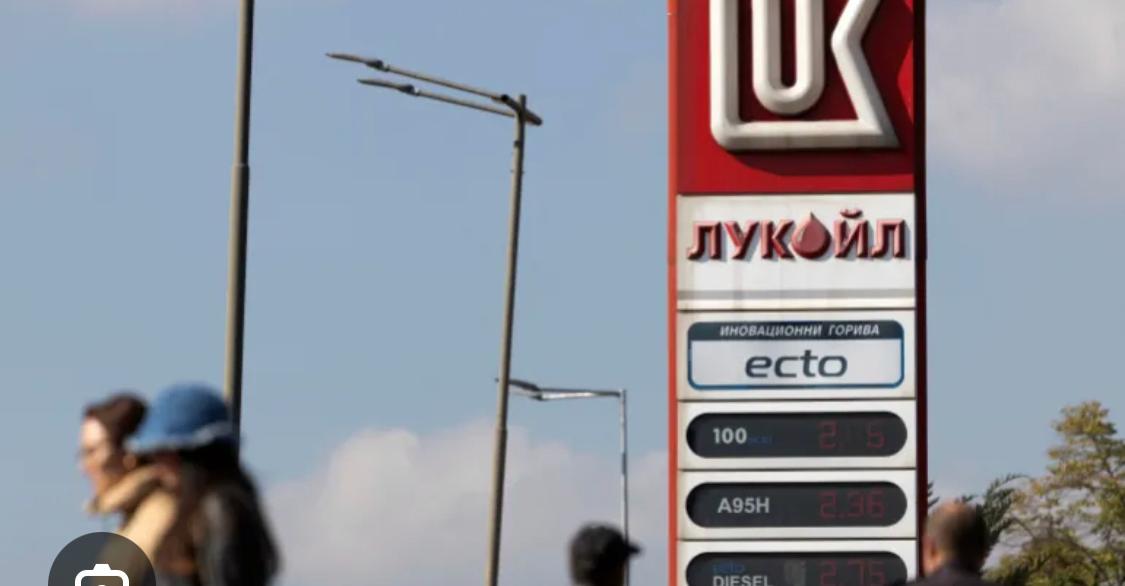
Multiple sanctions announcements on October 22, 2025, and the following day were the top news for Russia’s oil and gas sector.
In a coordinated effort, the U.S. and the EU targeted Russia’s energy exports to reduce revenue for its war in Ukraine.
United States sanctions the U.S. Treasury Department designated Russia’s two largest oil firms, state-owned Rosneft and privately held Lukoil, as Specially Designated Nationals (SDNs). This freezes their U.S.-held assets and bars American entities from transactions with them.
Wind-down period: U.S. entities must wind down transactions involving Rosneft or Lukoil by November 21, 2025.
Secondary sanctions threat: The new measures also carry the threat of secondary sanctions for non-U.S. entities engaging in significant transactions with the oil giants.
Market impact: Analysts expect the sanctions to cause a short-term hiatus in Russian crude exports as sellers and buyers adjust. Following the announcement, oil prices surged by more than 5% due to heightened market concerns over supply disruptions.
European Union sanctions
19th sanctions package: On October 23, the EU adopted its 19th package of sanctions against Russia, which for the first time targeted the import of Russian liquefied natural gas (LNG).
The sanctions ban EU imports of Russian LNG, with a grace period extending to January 1, 2027, for long-term contracts.
Oil company bans: The EU imposed a full transaction ban on state-owned oil producers Rosneft and Gazprom Neft, eliminating prior exemptions that allowed some trade.
Crackdown on “shadow fleet”, The EU expanded its port access ban to 117 additional vessels from Russia’s “shadow fleet,” bringing the total to 557 ships.
Sanctions on third parties The package also includes measures against third-country entities aiding Russia, such as Chinese refineries and traders buying Russian crude, and maritime registries providing false flags to Russian vessels.
Note by Alessandro Bazzoni