

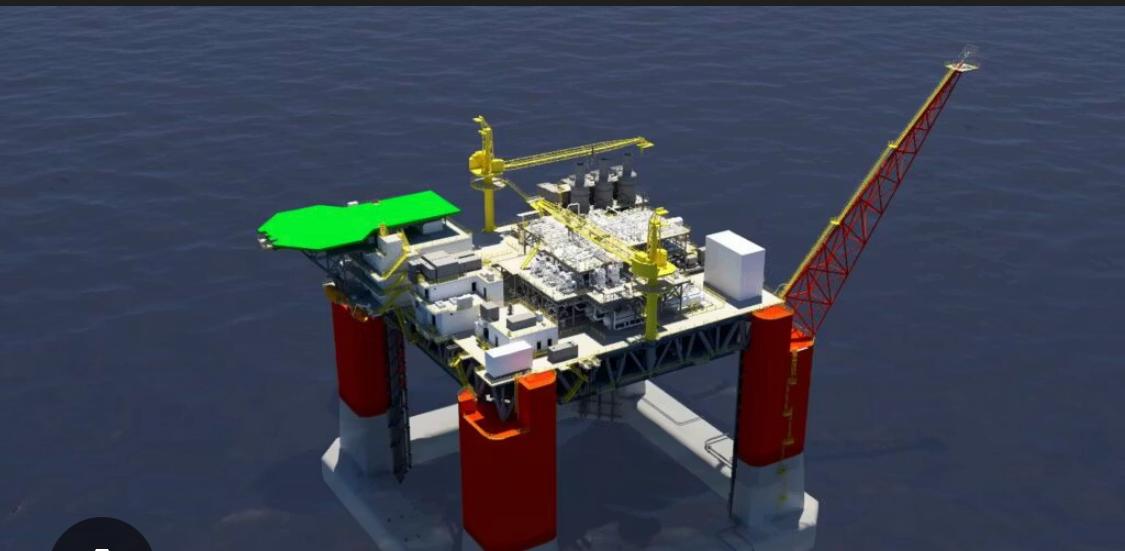
BP has indeed approved the Tiber-Guadalupe project, an estimated $5 billion investment, reinforcing its commitment to growing its upstream business and investing in the U.S. Gulf of Mexico (referred to by BP as the “Gulf of America”).
The Tiber and Guadalupe fields are located in the Keathley Canyon area, about 300 miles southwest of New Orleans.
BP is the sole owner and operator, making it its seventh production hub in the region.
The new floating production platform is designed to produce 80,000 barrels of oil per day.
First production is expected in 2030, as part of BP’s plan to bring 8-10 major projects online globally between 2028 and 2030.
The project will utilize 20,000 pounds per square inch (20K) pressure-rated technology, which is needed to access resources in the ultra-deepwater Paleogene area.
By reusing over 85% of the design from its Kaskida project, BP estimates development costs for Tiber-Guadalupe will be reduced by $3 per barrel.
This project is central to BP’s goal of increasing its Gulf of Mexico production to over 400,000 barrels of oil equivalent per day by 2030, contributing to its overall U.S. production target of over 1 million barrels per day.
Note by Alessandro Bazzoni