

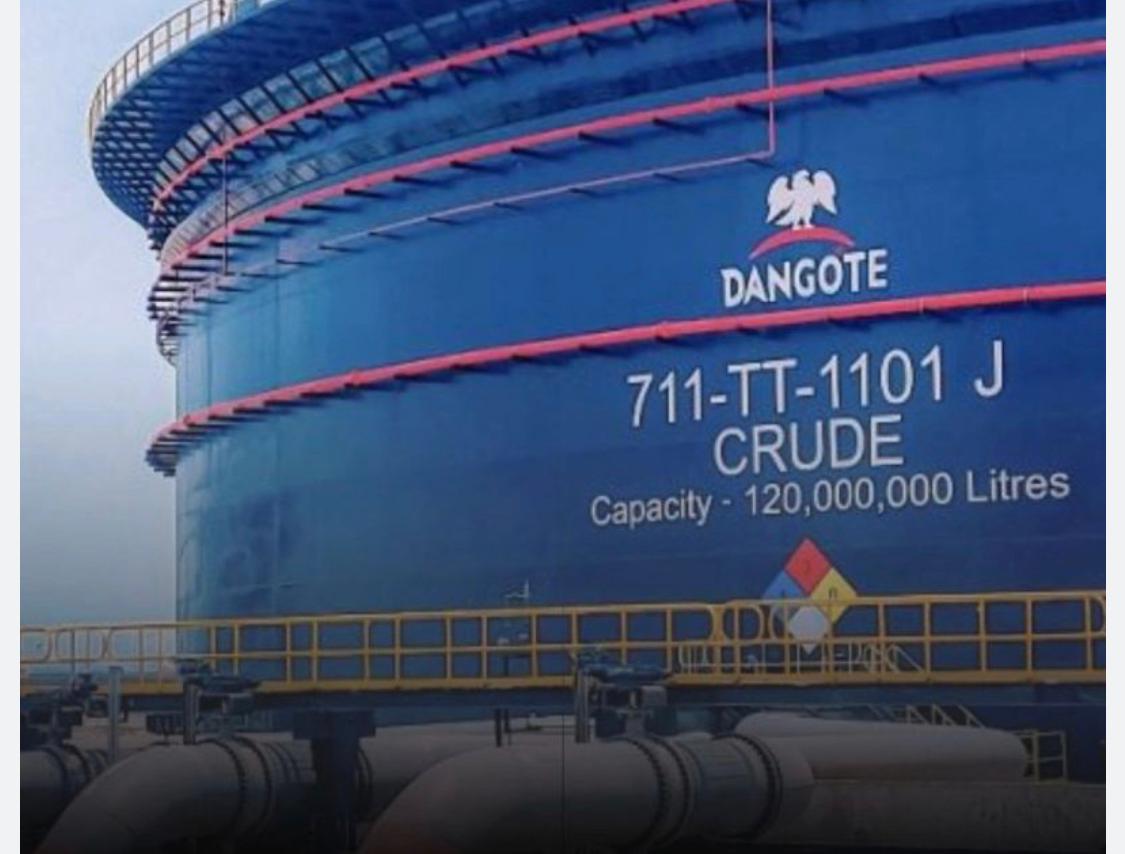
The Dangote Petroleum Refinery in Nigeria has significantly shifted its strategy, importing $3.74 billion worth of crude oil in 2025 to sustain its 650,000 barrels-per-day capacity. This shift is primarily due to persistent domestic supply shortfalls and the cost-competitiveness of international grades.
The refinery frequently imports 9–10 million barrels of crude monthly from the United States. In July 2025, U.S. crude (specifically WTI Midland) made up 60% of the refinery’s intake, overtaking Nigerian supply for the first time.
To ensure operational flexibility, the refinery also sources crude from other regions, including:
Ghana: Added “Sankofa” crude to its portfolio.
Management remains open to sourcing from Libya, Angola, and Brazil as supply issues are resolved.
According to the Central Bank of Nigeria (CBN), crude imports driven by the refinery reached $3.74 billion in 2025.
Despite being a major producer, Nigeria’s production often fails to meet the refinery’s massive requirements due to pipeline vandalism, oil theft, and prior crude forward-sales contracts that limit available local supply.
Importing specific grades like U.S. light sweet crude helps blend with local supplies to optimize production processes and meet quality standards.
While crude imports have risen, Nigeria’s reliance on refined fuel imports dropped by nearly 29% (approx. $10 billion) in 2025 due to increased local refining.
As of March 2026, Nigeria has suspended gasoline import licenses to prioritize local supply from the Dangote Refinery, which now meets approximately 92% of national petrol demand.
Nigeria is transitioning from a raw material exporter to a refined product exporter, recently shipping its first gasoline cargo to the United States.
Note by Alessandro Bazzoni