

global oil prices fell sharply by as much as 12%, with Brent crude dropping below $100 a barrel for the first time in two weeks. This “celebration” in the oil market followed reports that the US and Iran are nearing an initial peace agreement via a one-page memorandum of understanding.However, the tanker market has failed to respond for several structural and geopolitical reasons:
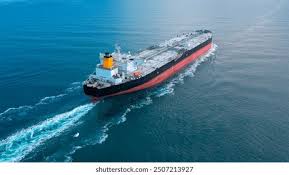
Despite the optimism in oil futures, tanker rates—including for VLCCs, Suezmax, and Aframax vessels—have continued to trend downwards.
Analysts from Rystad Energy highlight a six-to-eight-week lag between a credible peace deal and the actual normalization of global oil flows.While President Trump suggested the Strait of Hormuz could be “open to all” if a deal is struck, the US naval blockade of Iranian ports remains in place. On the same day as the peace reports, US forces reportedly fired upon and disabled an Iranian tanker in the Gulf of Oman for violating the blockade.Insurers and tanker operators remain cautious after multiple previous “false starts” in peace negotiations. Saxo notes that traffic through Hormuz will only run normally once there is durable de-escalation rather than just a “relief rally”.Shipping firms continue to question the safety of the route following recent attacks on commercial vessels, including a CMA CGM container ship.
Note by Alessandro Bazzoni