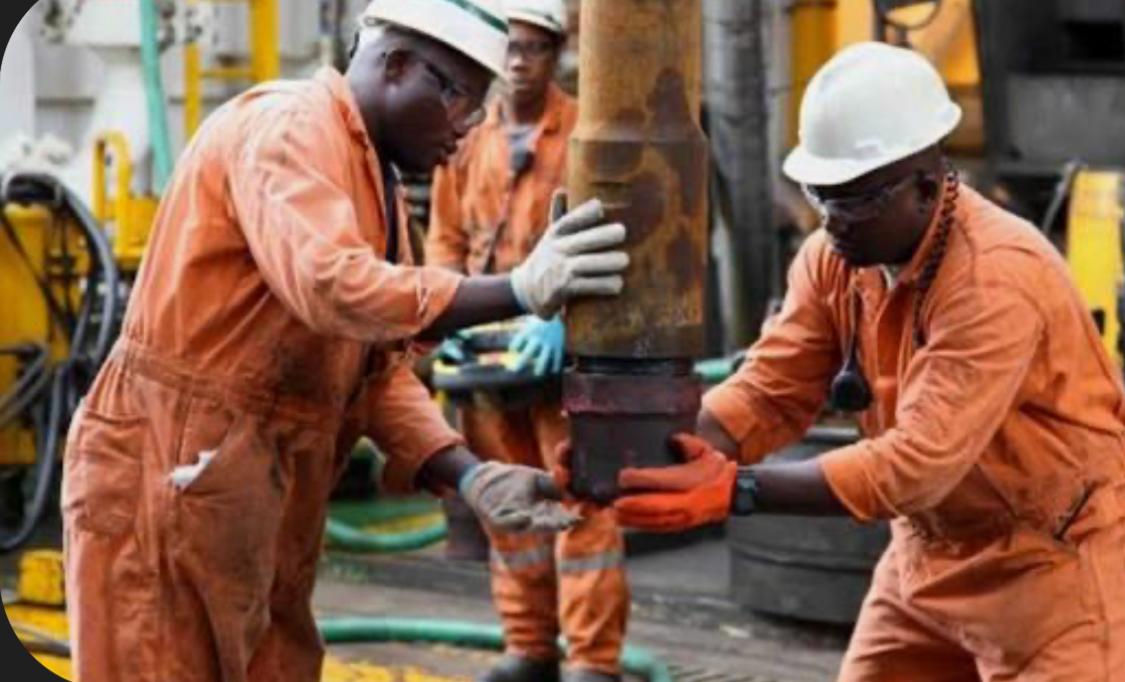
Over the last few years, local Nigerian firms have taken over oil assets from international oil companies (IOCs) that are divesting from the country’s onshore and shallow-water operations. This transition has been driven by new government policies, security issues, and the global energy shift away from fossil fuels. Why international oil companies are divesting mostly base on Security risks and operational challenges. Oil majors have cited persistent issues with oil theft, pipeline vandalism, and disputes with host communities in the Niger Delta as major drivers for their exit from onshore operations. As the world pushes for cleaner energy, IOCs are divesting from higher-risk assets in favor of more lucrative and lower-risk projects, often in deepwater offshore fields. Selling off their older onshore assets allows IOCs to reduce their exposure to historical environmental and human rights issues in the Niger Delta. The 2021 Petroleum Industry Act (PIA) introduced reforms aimed at attracting new investment and promoting indigenous involvement, providing a clear legal framework for these asset sales. In 2024, Shell agreed to sell its Nigerian onshore subsidiary, the Shell Petroleum Development Company of Nigeria (SPDC), to the Renaissance consortium, consisting of four local firms and an international partner. This landmark deal was finalized in early 2025. Eni , The Italian energy company sold its onshore subsidiary Nigerian Agip Oil Company (NAOC) to the local conglomerate Oando in 2023. ExxonMobil , in 2022, ExxonMobil announced the sale of its shallow-water and onshore assets to Seplat Energy. After regulatory delays, Nigerian President Bola Tinubu gave assurances in late 2024 that the deal would be approved. TotalEnergies, the French energy giant joined the trend by selling its 10% interest in the SPDC joint venture to Nigerian firm Chappal Energies in 2024. Equinor in 2023, the Norwegian major divested its Nigerian business to Chappal Energies. This transfer of ownership has expanded the role of local players, who now account for over half of Nigeria’s oil production, up from 40% before the divestments. Proponents argue that indigenous firms are better positioned to handle security issues and engage with local communities. Some early signs of success have been seen, with one official claiming that local firms have boosted national output by 200,000 barrels per day. However, the transition presents significant challenges as Environmental concerns, local firms have faced criticism for poor environmental records, with some reports indicating higher rates of gas flaring and oil spills compared to the IOCs they replaced. Critics as well question whether indigenous companies can manage complex oil fields, and many struggle to secure the necessary capital to invest in production, aging infrastructure, and field development. Continued instability and Security challenges, community disputes, and oil theft remain significant hurdles for operators in the Niger Delta, driving up operating costs for all. Nigeria’s strategy moving forward Despite these issues, the government continues to promote indigenous control. Officials have championed the Petroleum Industry Act as a way to simplify regulations and attract crucial foreign direct investment, with a goal to increase national output. New licensing round: In November 2025, Nigeria launched a new oil licensing round, with the regulator taking a more assertive role to ensure only financially and technically viable companies receive leases. The government hopes that by empowering local players and ensuring better management of oil fields, they can raise national oil production to 2 million barrels per day.